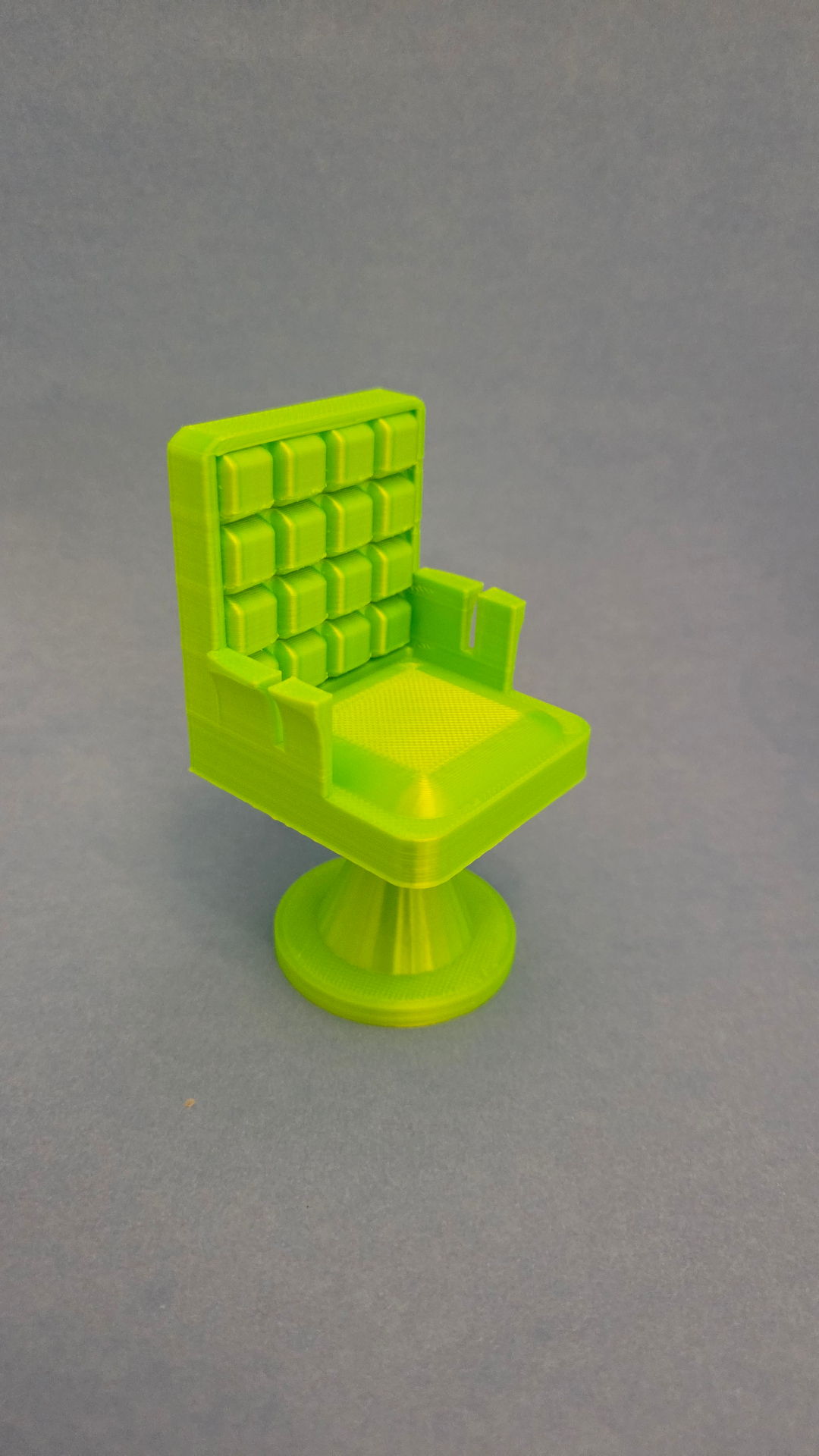
Meet the Chairs
Each chair carries a part of the mind.
The design and color of each Mini Chair express a central characteristic of each mode. All chairs include a support for psychology “playing cards” or photos that can further enrich the visualization of the patient’s functioning. Tap each chair to open its description.
Child Modes
Simpler and smaller in size: they carry children’s basic emotions and signal their basic emotional needs.
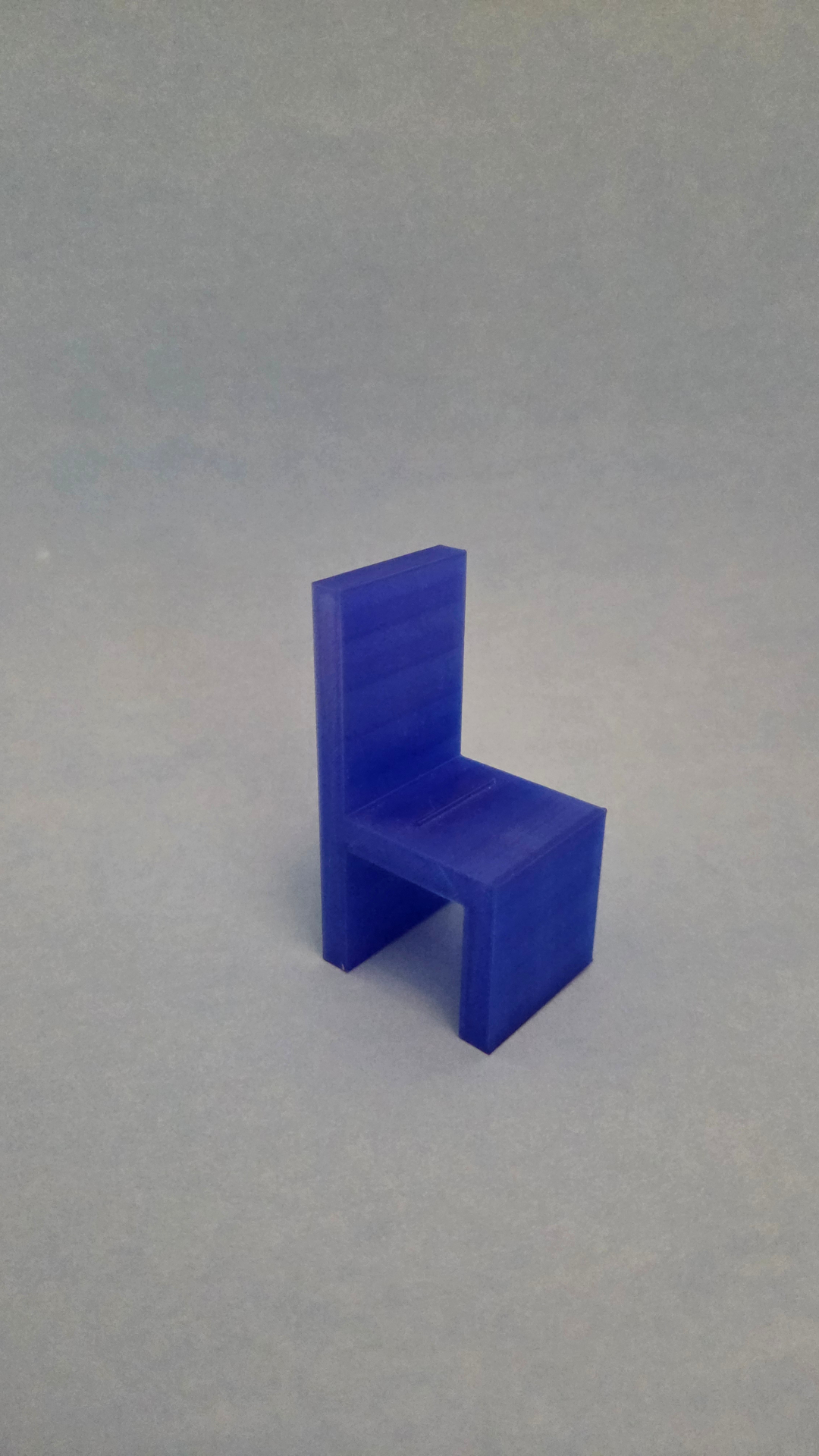
Vulnerable Child
Represents the basic emotions of fear and sadness when the need for connection is frustrated.
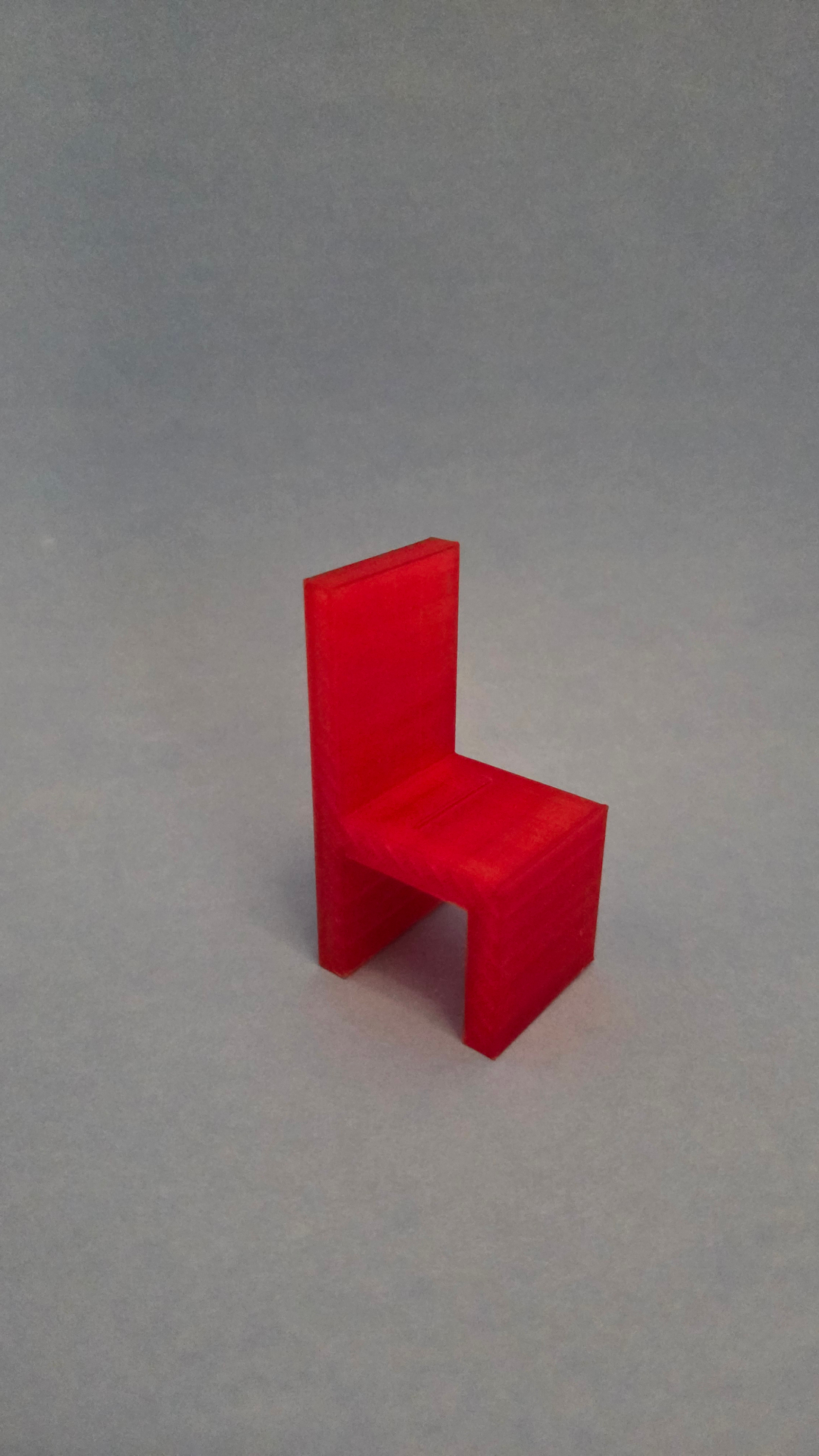
Angry Child
Protests to ask for care and defend the Vulnerable Child when autonomy is frustrated.
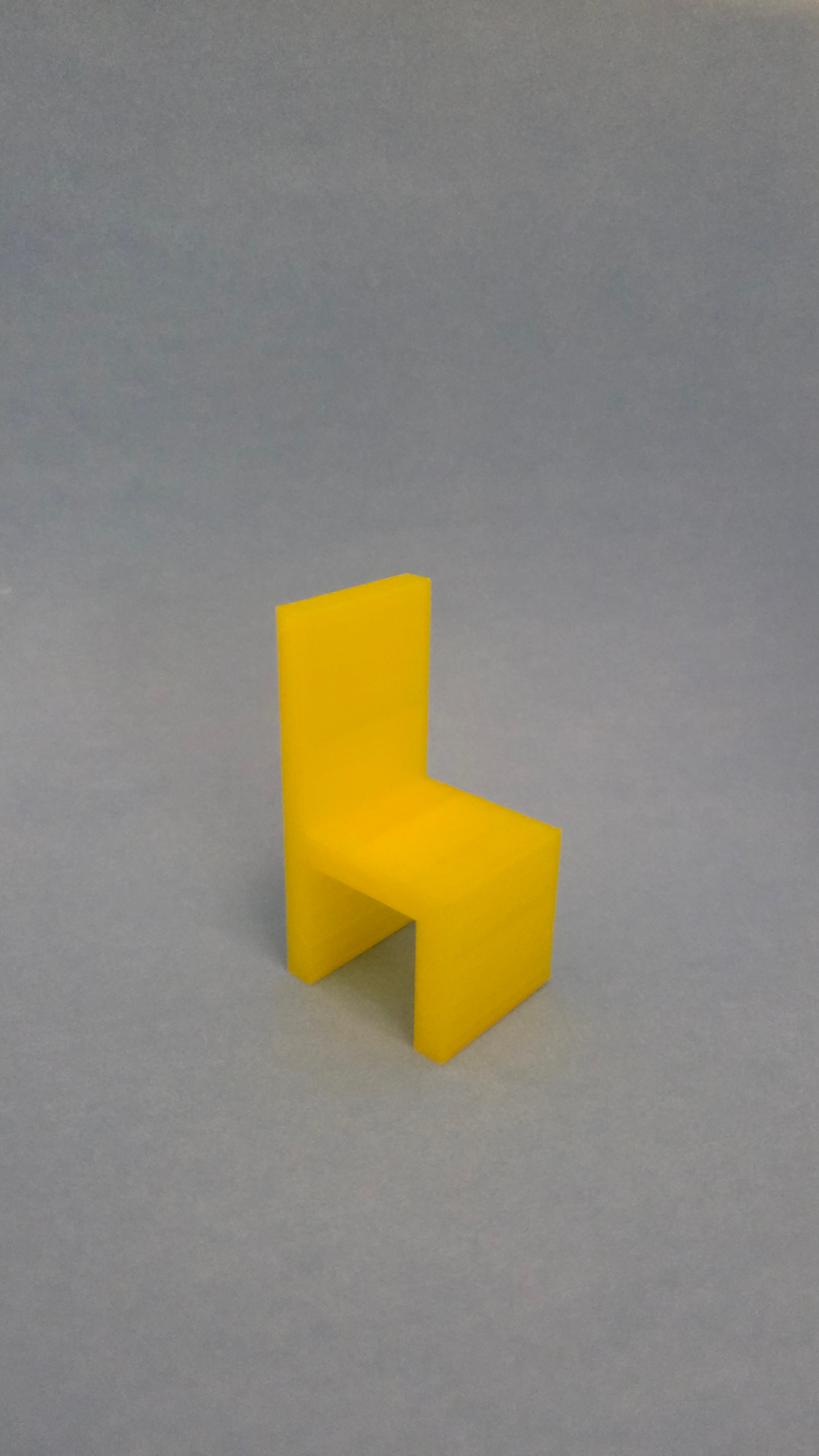
Happy Child
A mode that signals the adequate fulfillment of basic emotional needs: feeling loved, safe, and competent.
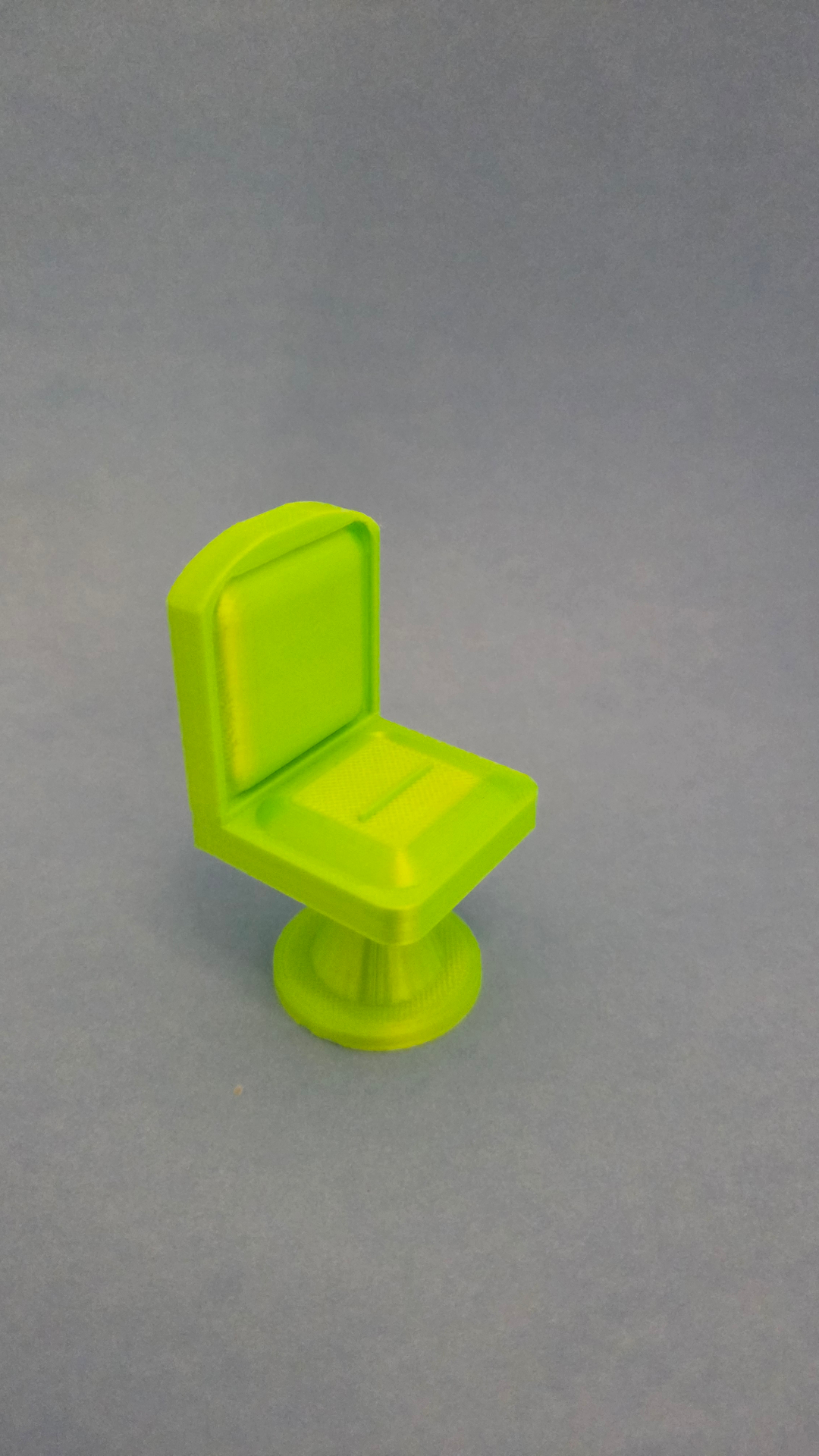
Wise Child
Helps children and adolescents observe themselves with a conscious, present-focused, curious perspective that is open to experience.
Coping Modes
They have a shield-shaped backrest, representing solutions that tried to protect the child when their needs were frustrated.
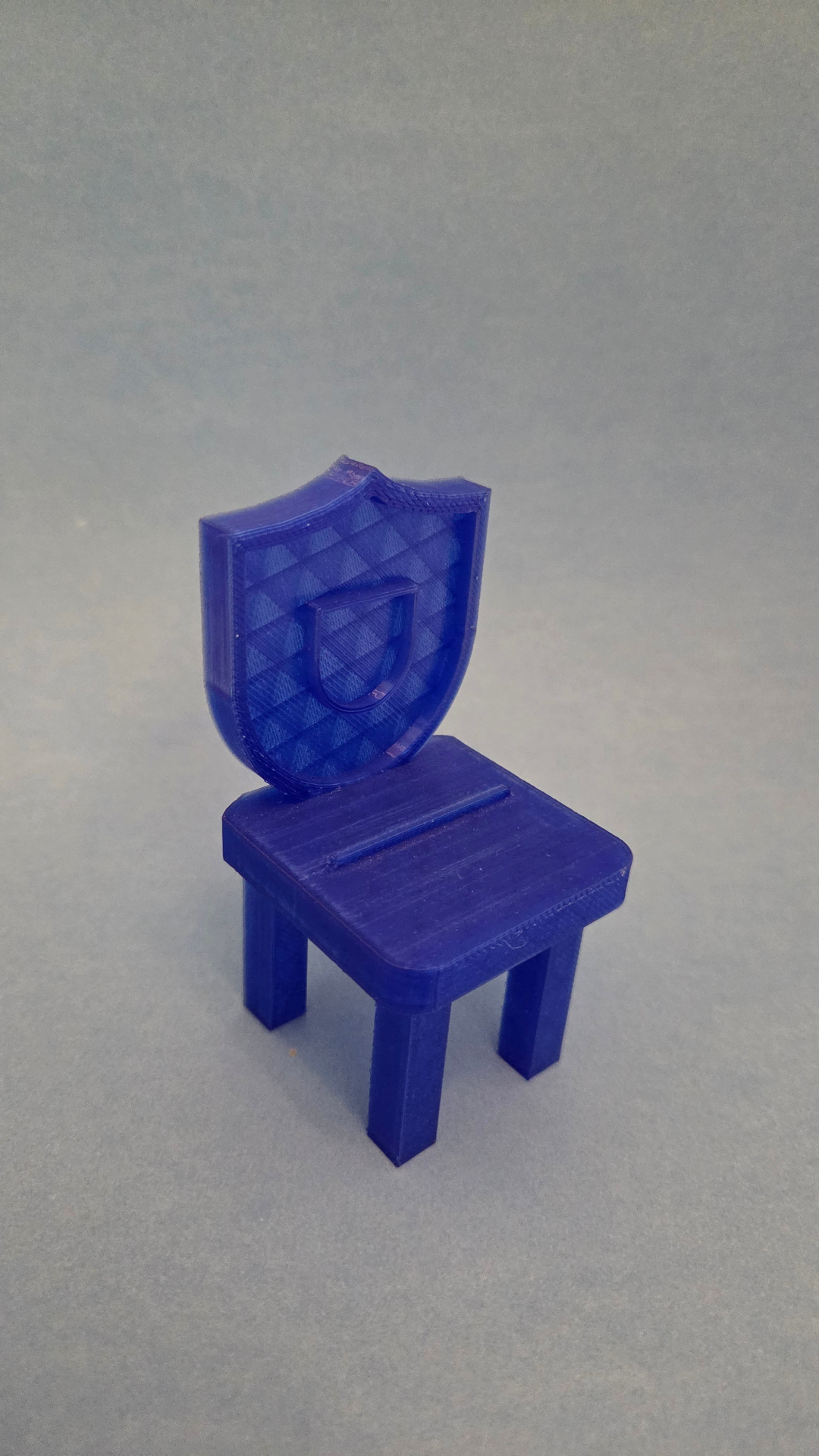
Surrendering/Submissive
Passive maladaptive mode (internalizing): gives in to expectations or disconnects from emotions to avoid pain.
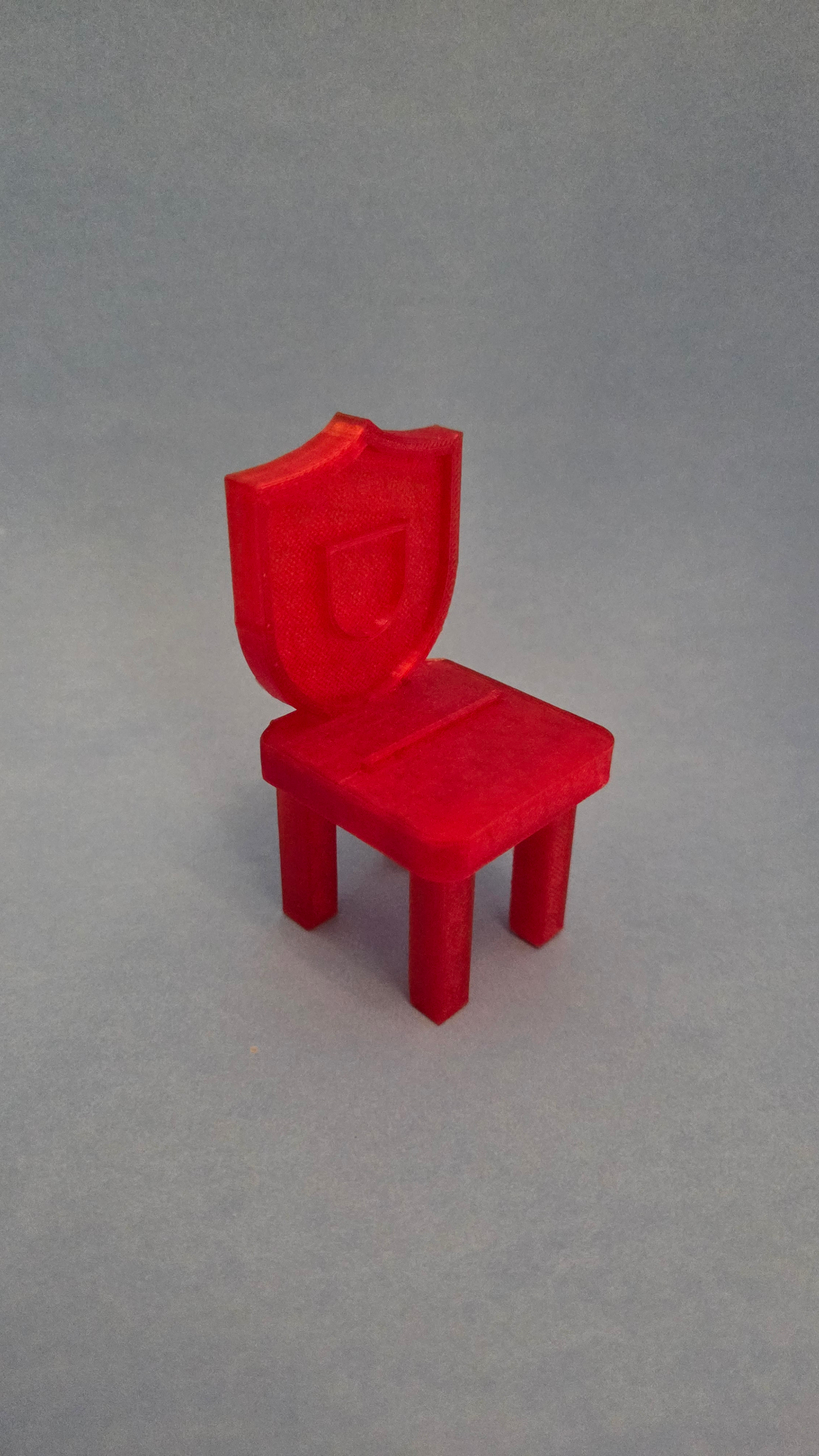
Overcompensator/Dominant
Active maladaptive modes (externalizing): seek to obtain what they want in entitled, abusive, competitive, aggressive, intimidating, controlling, or threatening ways.
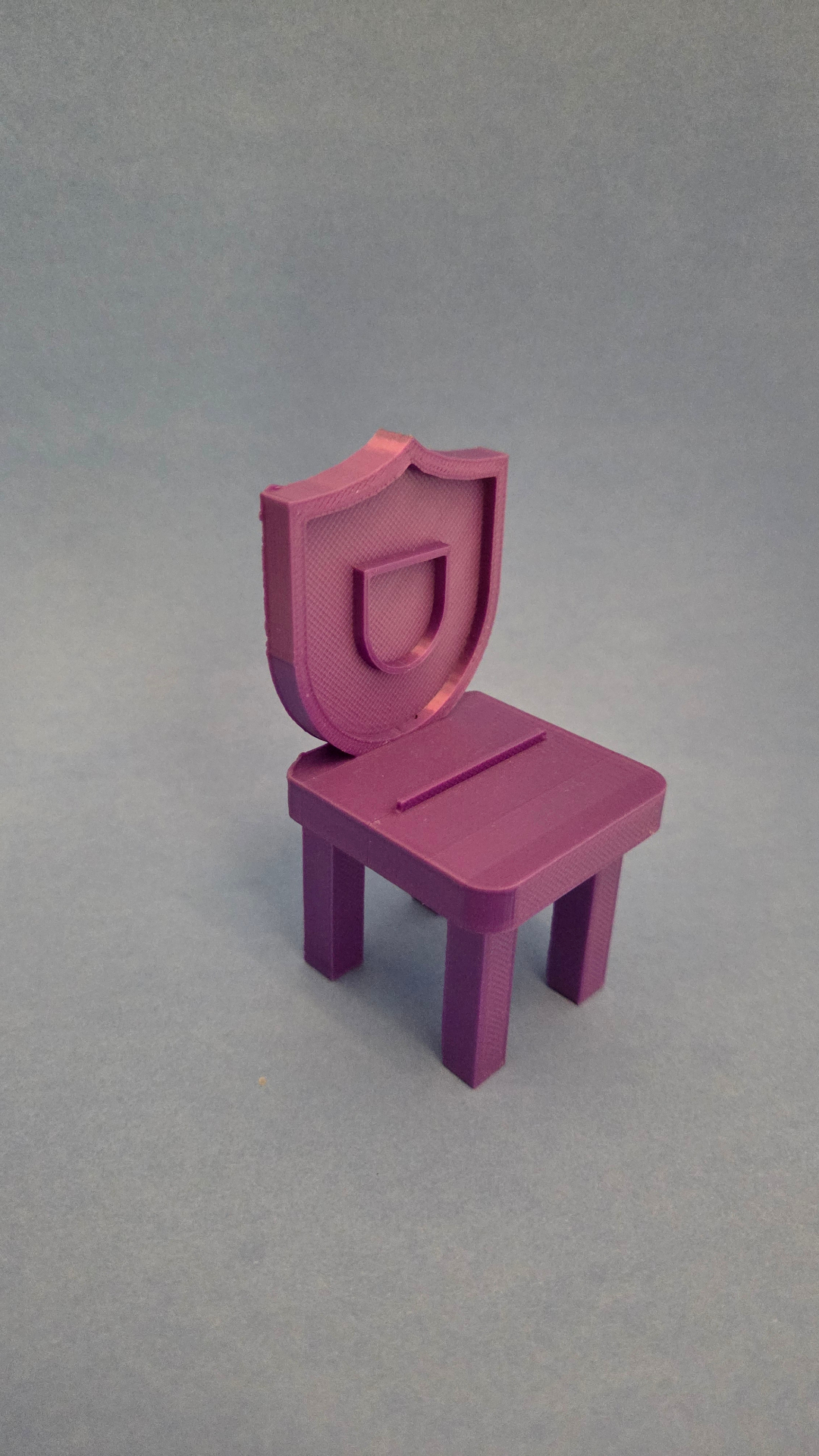
Passive/Active Avoidant
A maladaptive mode that behaves avoidantly and may have a more passive or active ‘tone’ (internalizing or externalizing).
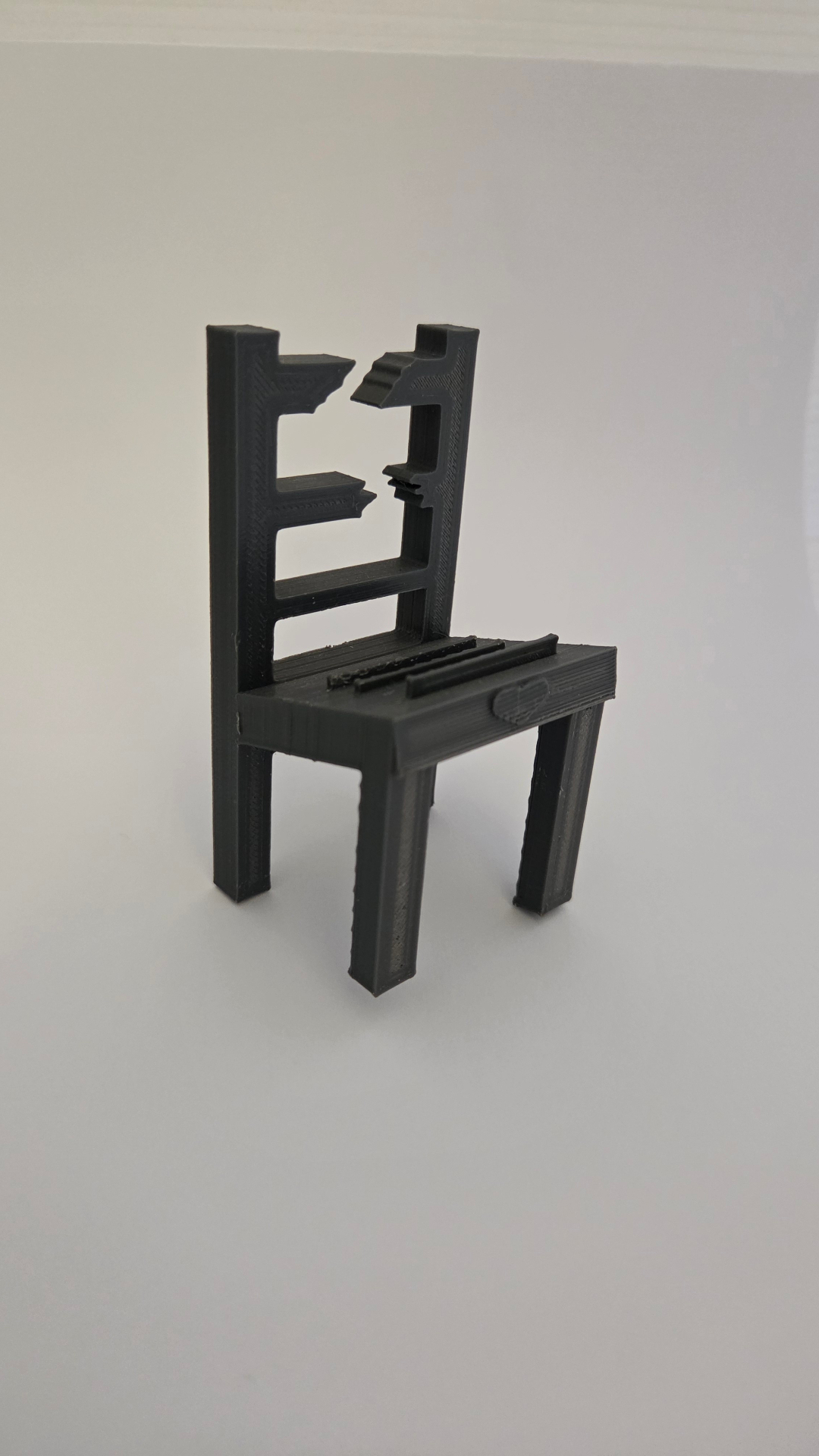
Internal Critic Mode
A chair with structural flaws: it points to internalized dysfunctional beliefs and thoughts.
Healthy Adult Mode
Swiveling, with armrests and greater comfort: it symbolizes the awareness that seeks to observe with curiosity, without judgment, and with a compassionate stance in order to understand the person’s internal and external dynamics and meet emotional needs in light of their values.